Was auch immer ..... die Berufswahl sollte nicht so schwierig sein!
Donnerstag, 19. Dezember 2013
Freitag, 16. November 2012
Revolutionary Road
Nach ein paar Tagen .... und einem Jahr .... Pause kann ich Euch endlich wieder einmal zeigen, wo es lang geht.
Zumindest bei mir ganz persönlich und seit geraumer Zeit:
 |
| Ich bei meinem Festival zum Día de la Revolución 2012 |
Voran geht es.
Das Tempo dabei bestimme nach wie vor ich selbst, aber ich kann Euch sagen: Seit meine Herzensangelegenheit geregelt wurde, bin ich kaum wiederzuerkennen. 6 von 12 Monaten eines Jahres im Krankenhaus? Pustekuchen!
Ich bin jetzt - dank vieler, vieler Unterstützung - ein richtiges Schulkind. Das klingt vielleicht nicht meinem Alter entsprechend, aber dazu muss man auch das Schulsystem in Mexiko kennen. Ich bin von 08:00 bis 15 Uhr in meiner (Vor-)Schule und glaubt mir bitte, dass da nicht nur auf mich aufgepasst wird.
Es war nicht einfach, hier unterzukommen. Eine ganze (Vor-)Schule mit insgesamt 83 Schülern auf einer Fläche, auf der üblicherweise 500 untergebracht und gebildet werden. In meiner Gruppe sind wir 6. Und uns sechs Kindern stehen an normalen Tagen mindestens 3 Lehrerinnen pro Stunde zur Seite. Und nochmal die 6: In unserer etwa-Millionen-Stadt wurden im vergangenen September genau 6 neue Schüler angenommen.
Ihr habt mittlerweile erraten, dass es sich um eine Spezialschule handelt. Spezial wie speziell. Und wie spezialisiert. Ich mag ja jede Menge Rechte haben, wenn es um Integration und so weiter geht, aber eine Frage, die man nie vergessen sollte, ist die nach dem "Wem ist womit am besten gedient ... und was könnte wem schaden?".
Menschenrechte sind eine ganz tolle Sache! Und innerhalb des Rahmens dieser Rechte finde ich es super, dass es für mich einen Ort gibt, an dem ich meinen Möglichkeiten entsprechend meinen Weg gehen kann.
Abgesehen von meiner Karriere gäbe es soooo viele Dinge zu erzählen, dass ich gar nicht erst damit anfange. Ich muss ja auch erst einmal sehen, ob diese Seite überhaupt noch funktioniert.
Mittwoch, 19. Oktober 2011
Was?! Na klar weiß ich, wie das geht! - Eine fotografische Gedächtnisstütze
Ich könnte bestimmt zwei Stunden lang darüber reden, warum Ihr so lange nichts von mir gehört habt. Weitere zwanzig Stunden könnte ich darüber reden, was in der Zwischenzeit alles passiert ist. Tue ich aber nicht.
Genauso wenig wie ich mich dazu verleiten lasse, zu versprechen, dass jetzt in diesem Blog alles wieder so wird wie es einmal war. Wäre ja auch doof.
Zeit vergeht. Leute entwickeln sich weiter. Technik schreitet voran. 8 Monate sind eine so lange und doch so kurze Zeit im Leben eines Menschen.
Gut und kurz: Es geht mir ziemlich gut. Vor allem, was meine Gesundheit verglichen mit den ersten vier Jahren meines Lebens anbelangt. Lassen wir - zumindest für den Moment - doch Details einfach beiseite und Bilder für sich bzw. mich sprechen:
SCHARF
Da mag jemand um ein Vielfaches besser aussehen als ich. Ich habe gelernt, was man tun muss, um solche Leute (in diesem Fall meine Cousine, Papis Patenkind) in den fotografischen Fokusschatten zu stellen:
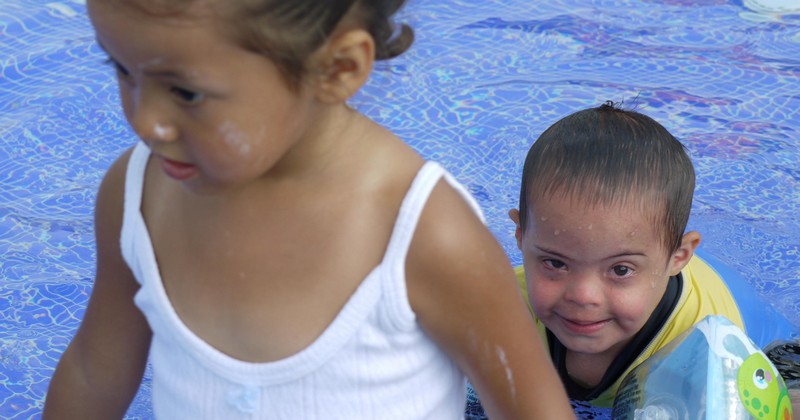
TOMATEN AUF DEN AUGEN? - Nein, Tomate (mex) auf dem Löffel
Richtig gelesen. Das, was Ihr da auf meinem Löffel seht, nennt man in Mexiko "Tomate". Was Ihr und der Rest der Welt als "Tomate" kennt, wird hier als "Jitomate" bezeichnet. Wobei das "J" weich wie in "weich" ausgesprochen wird.
So ein Ding von meinen Gesichtsmuskeln aus gesteuert zu balancieren, ist doch nun wirklich kein Problem:

WAS WAR ZUERST? - MILKA ODER SCHOKOLADE (náhuatl: xocolatl )?
Gleich noch einmal etwas, um die Herkunft von Wörtern und Sprachen etwas besser zu verstehen.
Sowieso gilt: Eine Torte auf dem Tisch ist überhaupt nichts wert, solange mein Gesicht nicht in sie hinein gedrückt wurde. Nicht einmal eine Schokoladentorte:

JEMANDEM SAND IN DIE AUGEN STREUEN
Das kann ich bestimmt genauso gut wie gewisse Fernsehfiguren. Am besten aber kann ich das im Selbstversuch. Das hätte auch ins Auge gehen können:

ROLLING, ROLLING, ROLLING
Es will mir wohl niemand erzählen, wie man einen Roller zu benutzen hat, oder!?

STECKER UND STECKDOSE
So eine Zeltstange ist eine prima Sache. Und mir ist auch 100%-ig klar, wohin die gehört. Das hier ist nur eine Notlösung. Aber im Zweifelsfall: Steckt die Zeltstange einfach in den nächstgelegenen Auspuff. Daraus wird entweder ein ziemlich aufgeblasenes Auto oder ein ziemlich schwebendes Zelt:

Freitag, 18. Februar 2011
Doppel-OP mit Stimmverlust - und ich tanze schon wieder

Wie so oft kam alles ganz anders.
Vorgesehen war am vergangenen Sonntag ein Mini-Eingriff, um meine Gallenblase zu entfernen - mit ihr die Wahrscheinlichkeit, dass sich dort dauernd neue Steine bilden würden. Und jetzt ist sie nicht mehr in mir drin, diese kleine Blase.
Das "alles ganz anders" bezieht sich auf den Umstand, dass es nicht nur diese kleine Blase ist, die man mir entnommen hat. Dr. Vargas nutzte die Gelegenheit, auch gleich meinen Blinddarm zu zu entfernen. Denn beim Ansatz der Laparoskopie hatte er festgestellt, dass mein Blinddarm nicht nur schon ganz ordentlich entzündet war (wahrscheinliche "Explosion" innerhalb der nächsten 4 bis 6 Wochen), sondern dass er er auch an einem Platz da mitten zwischen meinen Organen saß, wo er gar nicht hingehörte (angeblich genetisch bedingt).
Also entschied Dr. Vargas schnurstracks: "Raus mit dem Ding!"
Wofür wir ihm recht dankbar sind.
Somit wurde allerdings aus der laparoskopischen Angelegenheit eine ganz normale Chirurgie. Was nichts anderes als einen weiteren Schnitt an meinem Torso bedeutet. Diesmal vertikal. Bei Gelegenheit werde ich Papi mal beauftragen, ein Foto davon zu machen. Die Wunde verheilt prächtig und reiht sich prima in meine Sammlung ein, so viel kann ich Euch schon verraten.
Trotzdem gab es diesmal IM NACHHINEIN ein wenig elterliche Sorge. Zuerst einmal wollte ich nicht so richtig aus der Narkose aufwachen, ich brauchte in diesem Fall etwa 3 Stunden. Bis ich überhaupt aus der OP-Abteilung herauskam. Als ich dann endlich in meinem Bettchen landete (ganz neue Kinderstation im IMSS Hospital N° 1 Aguascalientes, super-mega-angenehm), war ich immer noch ziemlich "betrunken" und hatte eine Menge Beschwerden. Fakt ist aber, dass dies eher der Normalzustand nach einer solchen OP ist. Was mir bis dahin bzgl. Sofort-Erholung passiert war, gehört anscheinend in die Kategorie "außergewöhnlich".
Knappe 24 Stunden nachdem ich den OP verlassen hatte, schickte man mich auch schon wieder nach Hause. In eine Woche unglaublichen Nichts-Tuns. Die ersten 24 Stunden habe ich mich nicht bewegt. Ich lag auf dem Rücken. Und wenn jemand gefragt hätte, was ich denn gerade so tun würde, hätte man geantwortet: "Er liegt auf dem Rücken." Ich habe mich weder nach links noch nach rechts gedreht. Dann wurde irgendwann mein erstes Bad zur Notwendigkeit.
Und dieses wurde zu einem kleinen Drama. Denn ich wollte mich nicht nur nicht selbst bewegen, sondern ich wollte genausowenig, dass mich jemand anderer bewegt. Schon gar nicht in Richtung differierender Temperaturen. Trotzdem musste es getan werden. "Er zitterte wie Espenlaub" bekam eine neue Bedeutung. Aber es gelang. Glücklicherweise hatten Mami und Papi schon Erfahrung mit diesem ersten Bad nach einer OP. Bei dem es unter anderem darum geht, erstmals die Wunde freizulegen und zu reinigen.
Das Phänomen wurde Mami und Papi nur schrittweise bewusst. Das nämlich, was mit meiner Stimme passierte. Es passierte eigentlich gar nichts mit ihr, sie war nur einfach verschwunden. Ich bewegte meine Lippen wie immer - aber die dazugehörigen Geräusche kamen nicht. "Mamá", "ába" und so weiter ... mit "e", "i", "o" und "u" habe ich es noch nicht so eilig. Nachdem Papi das Internet und Mami fast schon einen Spezialisten befragt hatten, kam sie zurück. Und im Gleichschritt mit dieser Rückkehr verschwanden die Schmerzen und das Unwohlsein.
Gestern (Donnerstag) erlaubte man mir zum ersten Mal, wieder vor die Tür zu gehen. Heute habe ich schon wieder wie üblich zu "Tatiana" getanzt. Wow!
Übermorgen ist mein Termin zum Fäden ziehen. Bei dem man uns auch sagen wird, ob ich am Montag wieder in meine neue Übergangs-Kita gehen kann.
Ich darf ALLES essen.
Ich muss (zusätzlich zu dem Herz-Kram, der noch bis April gilt) ausser einem Antibiotikum (und dieses auch nur noch 3-mal) KEINE neuen Medikamente nehmen.
Was will ich eigentlich mehr?
Mittwoch, 9. Februar 2011
Galle, Blase, Zauberlehrling
Es gibt kulante Supermärkte in Mexiko.
Das muss man einfach einmal festhalten.
Nach mehr als einem Jahr seit dem Kauf einer Kinder-Videokamera konnte mein big brother Niklas selbige - nicht mehr richtig funktionierend - im Costco Aguascalientes ohne Probleme gegen ein anderes Produkt umtauschen. Er entschied sich für einen Baukasten für Zauberlehrlinge.
Und seit er diesen besitzt, arbeitet er mit ihm. Investiert mehr Zeit in ihn als in seine Deutsch-Hausaufgaben. Und erzielt Resultate. Klasse!
Ich dachte mir, dass es mir auch gefallen würde, ein wenig zaubern zu können. Und siehe da: ICH KANN. Ich kann Dinge verschwinden lassen. Ganz einfach und so gut wie unauffindbar. Man muss sie nur in meiner Reichweite lassen. Das neuste Beispiel ist die Fernbedienung unseres Fernsehers. Die ist momentan ganz einfach weg. Jedem ist klar, dass ich sie unsichtbar gemacht habe. Und jedem ist klar, dass ich nicht verraten werde, wo sie eventuell abgeblieben sein könnte. Ist doch auch logisch: Ich spreche doch noch gar kein Wort. Mit so etwas wie Sprechen muss man auch nicht belästigt werden, wenn man mal gerade 4 Jahre alt ist, oder?
Während Mami und Papi und Niklas die Fernbedienung suchen, überlege ich gerade, warum diese "richtigen" Zauberer ihre Fähigkeiten nicht in den Dienst von "richtigen Wichtigkeiten" stellen. Das wäre doch eine feine Sache. Ich habe da zum Beispiel so einen doofen Stein in meiner Gallenblase. "Abrakadabra - weg ist er!" wäre mir als Behandlungsmethode sehr willkommen. Da dies anscheinend nicht so einfach funktioniert, habe ich mal wieder einen schnittigen Termin gemacht.
Sonntag, 13. Februar 2011.
08:00 Uhr.
Da es immer wieder Leute gibt, die (aufgrund von Internetweisheiten) mehr wissen als behandelnde Ärzte, will ich die mich betreffenden und auf die nicht leakande Wikipedia beschränkten Internetweisheiten hier gern verlinken:
Gallenstein
Cholezystektomie
Laparoskopische Chirurgie
Es könnte also sein, dass Dr. Vargas mir mit einem minimalen Eingriff schlichtweg die Gallenblase entfernen wird. Was soll ich auch mit so einer Gallenblase anfangen, wo ich doch jederzeit viel wichtigere Dinge verschwinden lassen kann?
Abonnieren
Posts (Atom)